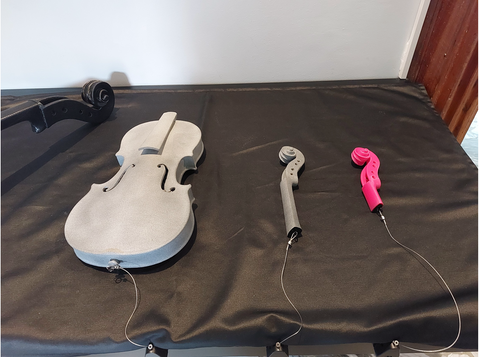
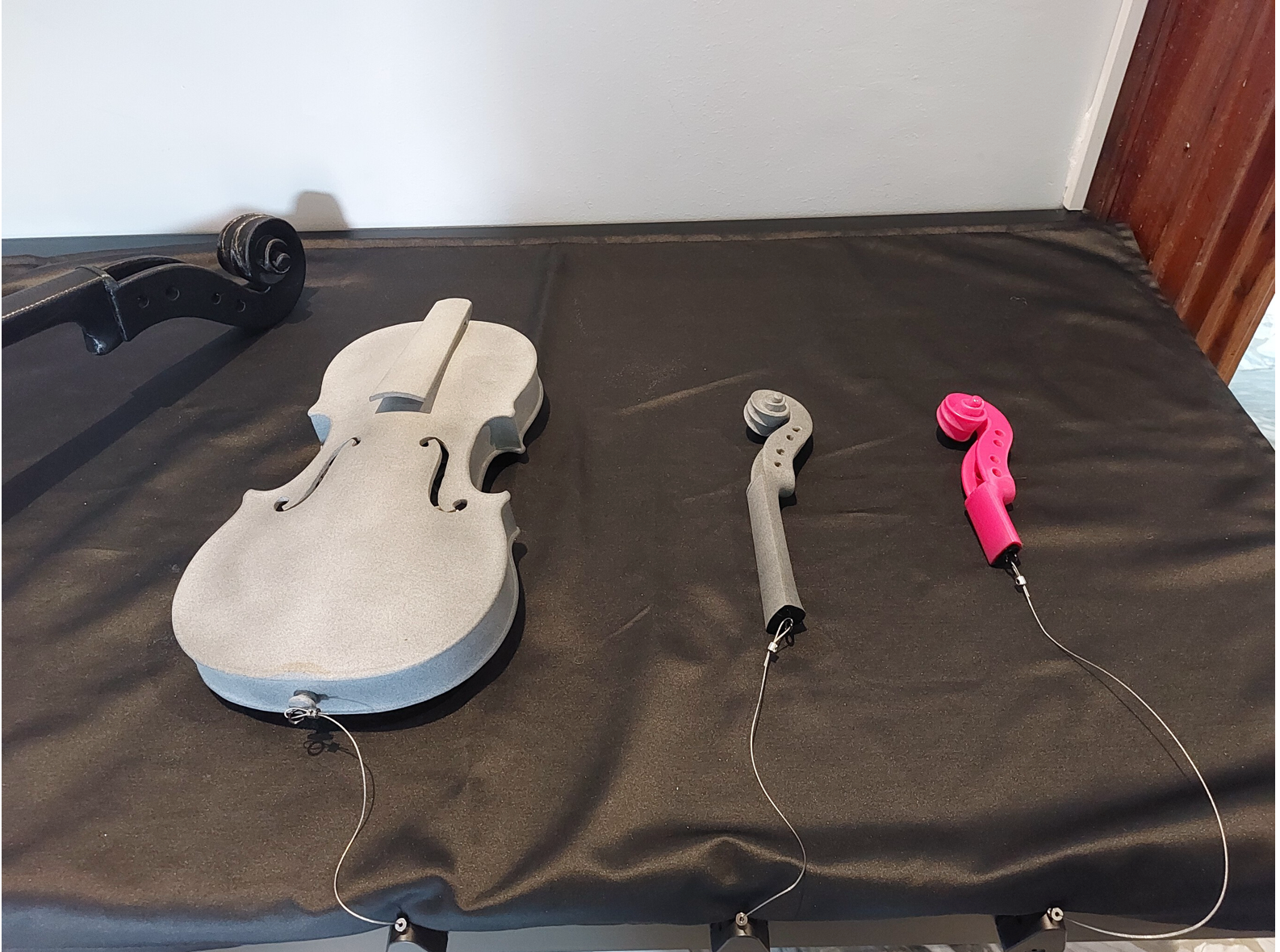
The renowned sound of Stradivarius violins is admired worldwide, yet the source of their unique quality remains debated. Some researchers point to the shape of the f-holes, while others focus on the density and age of the wood. New 3D printing work is now helping reveal those details through the first exact replica of the 1715 "Cremonese" Stradivarius, now shown at the Violin Museum in Cremona, Italy.
Unlike the original instrument, which must remain protected, this nylon replica is intended to be touched and closely examined. The museum developed it so visitors can understand the violin's curves, openings, and proportions directly, turning a historically untouchable object into something educational and accessible.
The model was produced at the University of Pavia and split into two parts so the construction details could be studied more easily. It reportedly cost less than EUR2,000 to make, a fraction of what would be required to access or reproduce the original instrument by traditional means.
The project is the result of more than a decade of diagnostic and scanning work by the museum's Arvedi laboratory. That long-term study captured micron-level detail from Stradivari instruments and created a foundation for new research, conservation, and public education.
The museum sees broader value in this approach as well. Additional replicas could help children engage with instrument history and could make collections more accessible for visually impaired visitors. At the same time, the technology raises practical questions about how far playable replicas should go before they begin to blur the uniqueness of historic instruments.
Cremona's violin-making tradition remains one of the city's defining cultural legacies. This project shows how digital fabrication can support that legacy without replacing it, using modern tools to make craftsmanship, form, and acoustic history easier to study.